🤖 ai
AI's Negative Turn: Don't Judge a Toddler by Its Tantrums
Public sentiment on AI has soured, but dismissing its surface flaws means missing its underlying enterprise capabilities. Are we in denial?
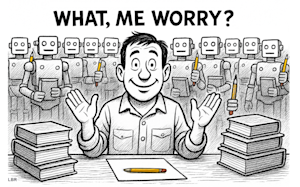
What’s Happening Three years ago, ChatGPT burst onto the scene, sparking immense investment and excitement in AI. Today, however, public opinion around the AI boom has taken a sharp negative turn. This shift began when OpenAI launched GPT-5 this summer to mixed reviews, primarily from casual users. They judged the system by its superficial flaws, rather than appreciating its deeper, underlying capabilities. ## Why This Matters Pundits and influencers have since declared that AI progress is slowing, creating a narrative of disillusionment. This dismissal of ‘slop’ or surface imperfections risks obscuring the significant, real capability gains happening beneath the hood. For businesses, this widespread ‘AI denial’ is quickly becoming an enterprise risk. Companies that base their strategies on casual user sentiment rather than expert analysis could miss crucial opportunities. Ignoring AI’s true potential has several critical implications:
- Loss of competitive advantage for businesses that don’t adapt.
- Underinvestment in transformative AI solutions.
- Misguided public policy based on superficial understanding. ## The Bottom Line It’s easy to get caught up in the hype cycle’s inevitable downturn, especially when initial amazement gives way to critical scrutiny of imperfections. But remember, ChatGPT is still a ‘toddler’ in its development, and judging it purely on surface flaws means we might be overlooking its true, evolving power and the risks of enterprise-wide denial. Are we letting short-sighted criticism blind us to the future?
Daily briefing
Get the next useful briefing
If this story was worth your time, the next one should be too. Get the daily briefing in one clean email.
Reader reaction