💰 business
CDC Nixes Universal Hep B Birth Dose: The Denmark Link
A CDC panel just ended the universal hepatitis B vaccine for newborns. Officials cited Denmark's policies, but crucial context was missing.
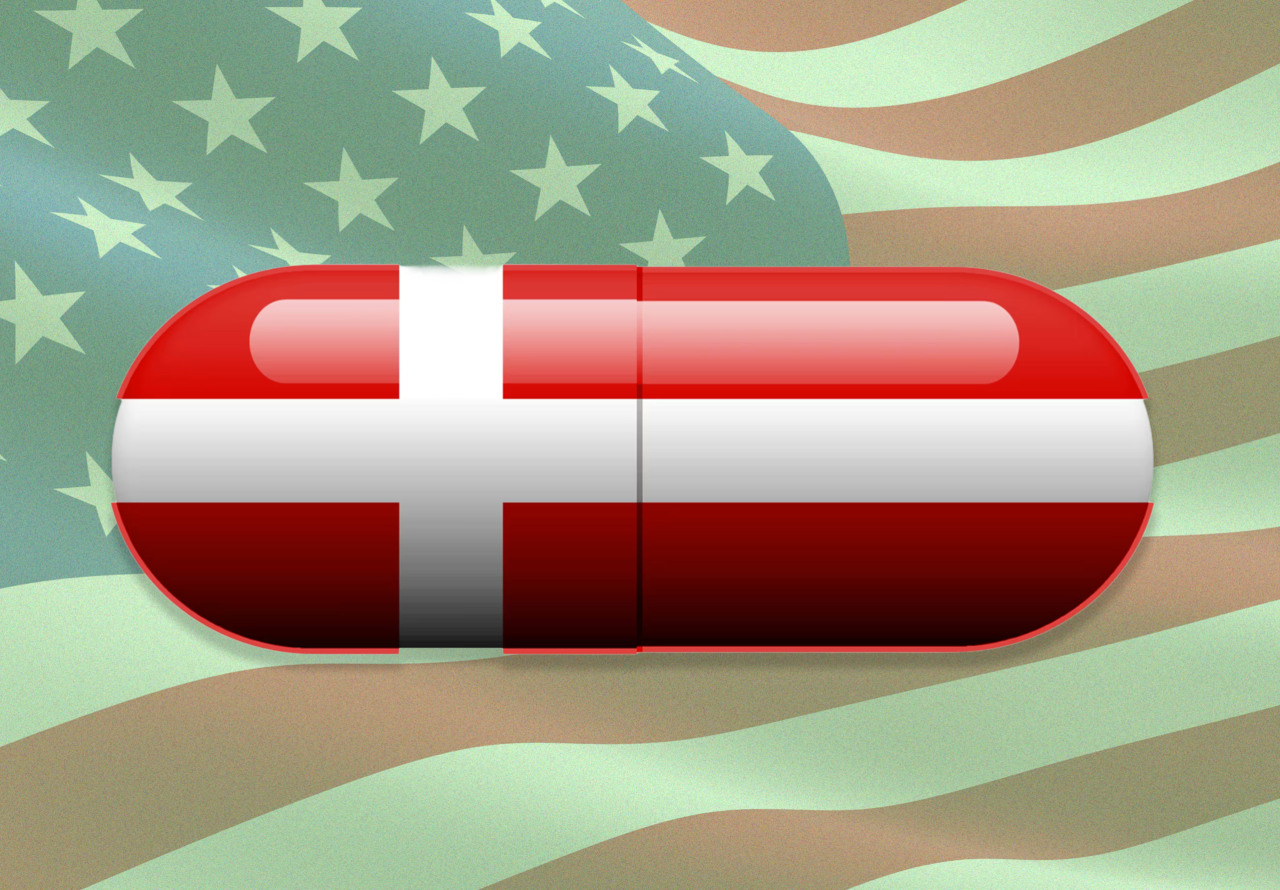
What’s Happening Big news from the CDC: a panel recently voted to end the universal birth dose of the hepatitis B vaccine for newborns. This marks a significant shift in U.S. vaccination policy that has been in place for decades, impacting millions of families. Some officials on the panel reportedly pointed to Denmark’s vaccination policies as a model for this change. However, critics are quick to highlight that crucial context regarding Denmark’s public health approach was conspicuously absent from the discussion, raising eyebrows. ## Why This Matters This policy reversal could have immediate implications for new parents and healthcare providers across the nation. Instead of a standard birth dose, decisions may now become more individualized, potentially increasing complexity and room for error in a busy hospital setting. The CDC’s advisory committee, ACIP, made this call, suggesting a move towards more targeted vaccination. But what exactly does ‘targeted’ mean when we’re talking about preventing a potentially life-threatening disease in infants? The comparison to Denmark is particularly thorny because their public health system operates very differently from the U.S. For instance, Denmark boasts strong universal healthcare, extensive maternal screening, and a consistently low prevalence of chronic hepatitis B within its population. These are not minor details; they are foundational pillars. Without these critical foundational elements, simply adopting one aspect of their policy might not yield the same public health outcomes. It’s like trying to replicate a gourmet recipe by only using one ingredient and expecting the same delicious result. The U.S. system faces unique challenges that Denmark doesn’t. Here’s why cherry-picking policies from Denmark without full context is risky business: - Universal Maternal Screening: Denmark has virtually 100% universal maternal screening for hepatitis B, ensuring nearly every pregnant individual’s status is known. In the U.S., screening rates, while high, aren’t universal, and some mothers fall through the cracks.
- Low Disease Prevalence: Denmark maintains a significantly lower prevalence of chronic hepatitis B infection within their general population compared to the U. S. , meaning fewer potential transmission risks.
- Comprehensive Healthcare Access: Denmark’s comprehensive social safety nets and universal healthcare access mean at-risk populations are more consistently identified, managed, and linked to care, reducing the likelihood of undetected carriers.
- Birth Dose as a Safety Net: In the U. S. , a universal birth dose acts as a crucial safety net. It protects infants whose mothers’ hepatitis B status is unknown, or those whose mothers are positive but might not receive timely follow-up for their newborns due to systemic barriers.
- Prevention of Perinatal Transmission: The birth dose is designed to prevent perinatal (mother-to-child) transmission, which is one of the most common ways infants acquire chronic hepatitis B. Delaying this dose, even slightly, could increase risk. The decision to end the universal birth dose could inadvertently put more infants at risk, especially those born to mothers who are unscreened, undiagnosed, or lack consistent access to follow-up care. It shifts the burden of prevention from a universal measure to a system that relies on individual risk assessment, which can be imperfect. ## The Bottom Line The CDC’s decision to shift the hepatitis B birth dose policy, citing Denmark as a model while seemingly overlooking vital contextual differences, raises serious questions about public health priorities. Are we genuinely optimizing our vaccination schedule, or are we inadvertently creating new vulnerabilities for our most fragile population without fully understanding the consequences of a direct policy transplant?
Daily briefing
Get the next useful briefing
If this story was worth your time, the next one should be too. Get the daily briefing in one clean email.
Reader reaction