Derry Prequel Hints Pennywise's Human Roots Via Bob Gray
HBO's 'Welcome to Derry' is rewriting Pennywise's origins, linking the cosmic horror to a human, Bob Gray, and Ingrid Kersh's family.
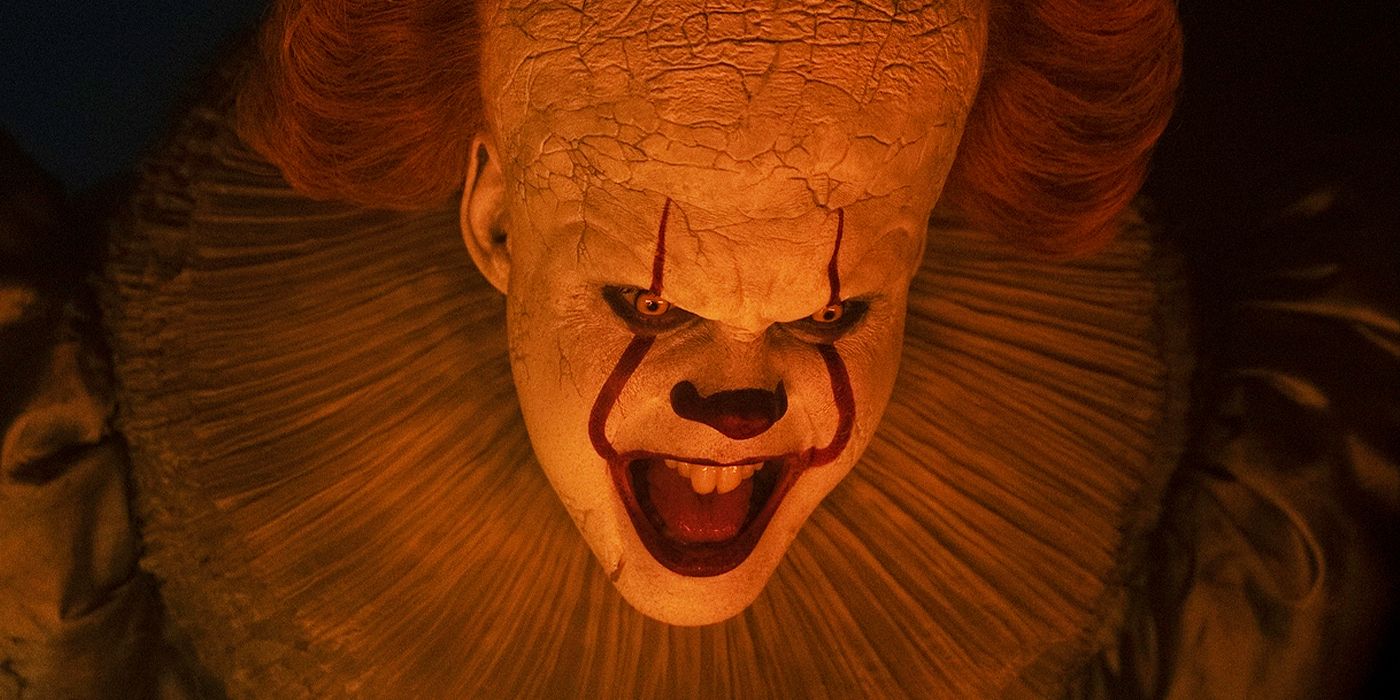
What’s Happening HBO’s highly anticipated prequel series, IT: Welcome to Derry, is poised to plunge viewers back into the cursed town of Derry, Maine, with a significant twist on the iconic villain, Pennywise the Dancing Clown.
Set in the 1960s, roughly a decade before the original Losers’ Club first confronts IT in Stephen King’s seminal novel, the series aims to unearth the deeper, darker history of the town and its ancient evil.
The latest buzz from production suggests the show will finally delve into Pennywise’s origin story, offering a startling new connection that fundamentally redefines the entity.
Sources close to the production indicate a surprising revelation: the series will tie Pennywise’s genesis to a human figure named Bob Gray, identified as the father of Ingrid Kersh.
For long-time fans of King’s universe, Bob Gray is a chilling alias Pennywise often adopts, particularly when manifesting as the clown.
However, Welcome to Derry reportedly positions Bob Gray not merely as an alias, but as a crucial, perhaps tragic, human component in Pennywise’s local manifestation.
This twist suggests that the cosmic horror we know may have a more grounded, human-adjacent origin than previously understood, potentially through possession, transformation, or a symbiotic relationship with a human host.
Ingrid Kersh herself is a character from King’s original IT novel, an elderly woman living in the house on Neibolt Street in the 1980s, long after the Losers’ Club’s initial encounter. Her character was a minor but memorable presence, her home a site of lingering dread.
Connecting her father, Bob Gray, directly to the very origin of Pennywise imbues her tragic life with an entirely new, deeply personal layer of horror, suggesting her family’s entanglement with Derry’s evil runs generations deep.
The series, overseen by Andy Muschietti and Barbara Muschietti, who directed the 2017 and 2019 IT films, promises to expand on King’s lore in unprecedented ways, with filming reportedly wrapping in late 2024 for an anticipated 2025 release.
Why This Matters This new origin story for Pennywise carries immense implications for the entire IT canon, potentially reshaping how fans perceive the ancient, cosmic entity.
Stephen King originally depicted IT as an extraterrestrial being from the Macroverse, a creature of pure fear and ancient malevolence, far beyond human comprehension or emotion.
Introducing a human progenitor or vessel like Bob Gray risks demystifying this cosmic horror, bringing it down to a more terrestrial, albeit still terrifying, level. For some purists, this might dilute the creature’s existential dread, which stemmed from its unknowable, alien nature.
Conversely, this twist could add a profound layer of psychological horror and tragedy. If Pennywise began, in some capacity, as a human named Bob Gray, or if Gray was instrumental in its earthly form, it creates a more intimate, insidious connection to Derry’s residents.
The idea that such an entity could have corrupted or emerged from a human being, particularly one connected to a seemingly ordinary family like the Kershes, makes the evil feel more pervasive and less escapable.
It suggests the horror isn’t just an external force, but something that can be born from or deeply intertwined with humanity itself. Furthermore, this narrative choice elevates Ingrid Kersh from a tangential character to one with a central, albeit tragic, legacy within Derry’s cursed history.
Her connection to Bob Gray, now linked to Pennywise’s origin, could provide a heartbreaking lens through which to view the town’s suffering across decades.
This deepens the emotional stakes, transforming a cosmic threat into a deeply personal trauma for a specific family, adding a fresh dimension to the themes of generational curses and inherited fear that are prevalent in King’s work.
The Bigger Picture The decision to craft a human origin for Pennywise reflects a broader trend in popular culture: the insatiable demand for prequels and origin stories that expand beloved franchises.
From House of the Dragon to Better Call Saul, studios are increasingly exploring the backstories of iconic characters and worlds. However, this approach is particularly challenging when dealing with cosmic horror, where the unexplained often constitutes the core of its terror.
Stephen King himself has often cautioned against over-explaining the unexplainable, understanding that mystery fuels dread.
Previous adaptations of IT, including the 1990 miniseries and the Muschietti-directed films, largely adhered to King’s depiction of IT as an ancient, shapeshifting entity whose true form exists beyond human perception.
While the films offered glimpses into its alien nature, they preserved its inherent mystery. Welcome to Derry’s approach marks a significant departure, indicating a willingness by the showrunners to interpret and expand King’s universe in bold, potentially controversial ways.
This creative freedom allows for new narratives but also risks alienating fans deeply invested in the established canon. This exploration of Bob Gray as a human link to Pennywise also connects to themes of identity and manifestation.
If IT can adopt a human form or integrate with a human host, it raises questions about the nature of its consciousness and its ability to mimic or corrupt human existence.
It could be a way to ground the cosmic horror in a relatable, albeit disturbing, human tragedy, making Pennywise’s cruelty feel less arbitrary and more like a twisted reflection of human failings and fears, a concept King has explored extensively in other works.
What To Watch As IT: Welcome to Derry progresses towards its anticipated 2025 premiere on HBO Max, fans should closely watch for more details regarding Bob Gray’s specific role and Ingrid Kersh’s family history.
Key aspects to observe will be how deeply the series commits to this human origin, whether it presents Bob Gray as a willing participant, an unwitting victim, or a vessel for IT’s emergence in Derry.
The show’s narrative balance between preserving Pennywise’s cosmic dread and grounding its origins in human tragedy will be crucial. Another point of interest will be how this new lore integrates with established events, particularly the Losers’ Club’s future encounters with Pennywise.
Will there be subtle nods or direct implications that resonate through the original story? The reaction from the dedicated fanbase will also be telling, as they weigh this fresh interpretation against decades of established canon.
Will this human anchor ground the terror, or unleash a new, more insidious nightmare for Derry?
Daily briefing
Get the next useful briefing
If this story was worth your time, the next one should be too. Get the daily briefing in one clean email.
Reader reaction