Musk: AI & Robotics Key to Solving $38T Debt
Elon Musk claims AI and robotics are the *only* solution for the U.S.'s $38 trillion national debt, forecasting significant deflation.
What’s Happening
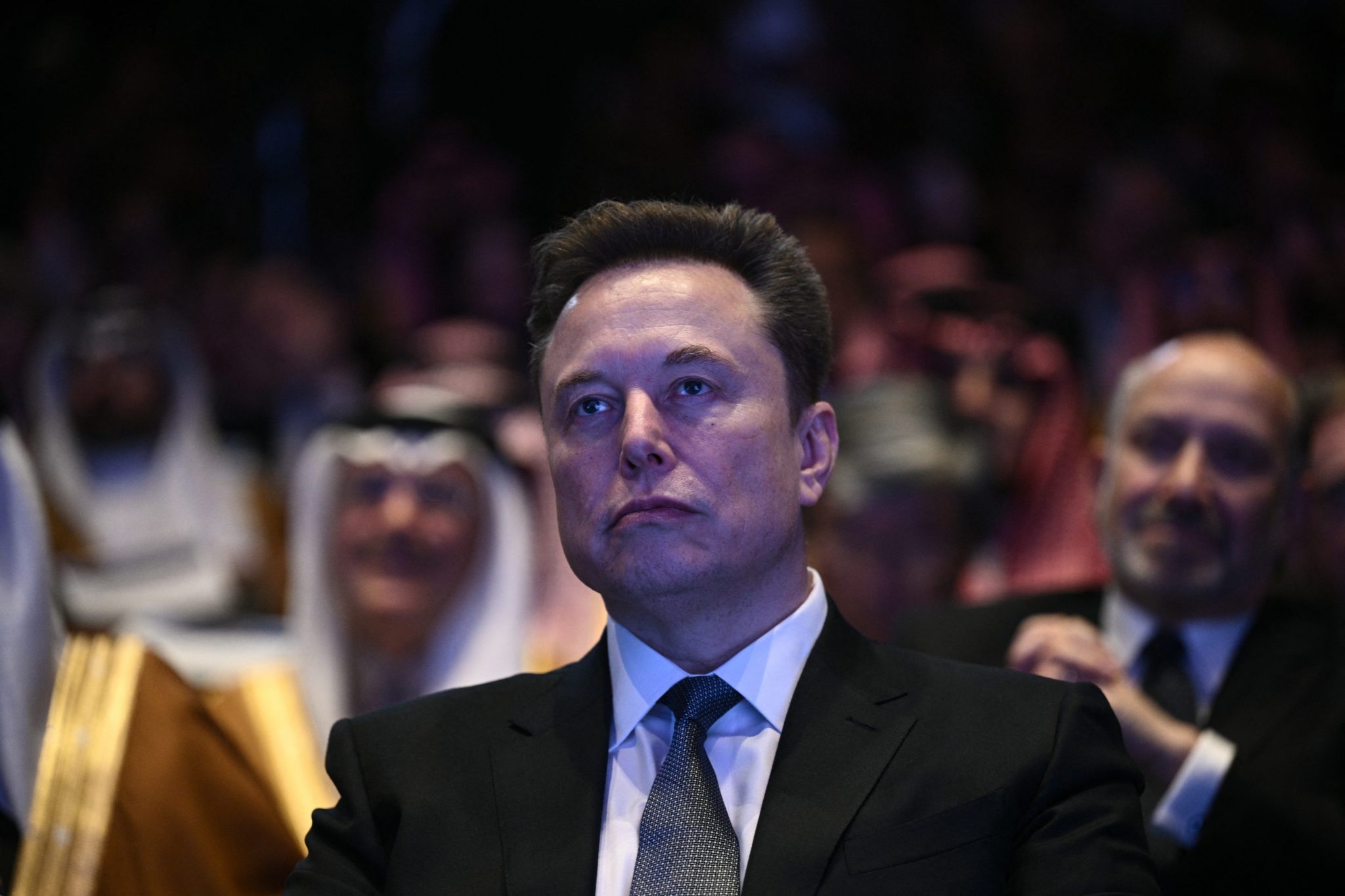
Elon Musk, never one to shy from a grand pronouncement, recently offered a radical solution to America’s escalating national debt. He firmly believes that only advancements in Artificial Intelligence (AI) and robotics possess the power to resolve the “insanely high” $38 trillion crisis.
This isn’t just a theoretical musing from the tech titan. His comments emerged after a public disagreement with former President Donald Trump over government spending, underscoring Musk’s deep concern about the nation’s growing financial burden.
Musk argues that these technologies are the “only path” to easing record U. S. debt costs.
His vision implies a future where automation significantly reduces labor expenses and boosts productivity to such an extent that it could offset the nation’s massive financial obligations.
Why This Matters
Musk’s perspective fundamentally challenges traditional economic thinking, which typically relies on fiscal policy, taxation, and interest rate adjustments. If AI and robotics could truly alleviate a $38 trillion debt, it implies an unprecedented surge in productivity and efficiency across virtually all sectors, creating immense new value and potentially generating massive tax revenues from new industries.
However, this technological silver bullet comes with a significant caveat that could rattle the global economy. Musk specifically warned that such a dramatic, AI-driven economic transformation would inevitably trigger “significant deflation.
” This isn’t just a minor price dip; it signifies a sustained fall in the general price level of goods and services. Deflation, while sounding appealing after years of inflation, can be a serious economic drag.
It often signals reduced consumer demand as people postpone purchases expecting lower prices, delays in business investment, and can make it significantly harder for governments and individuals to service existing debt, as the real value of that debt increases. The U.
S. national debt, currently standing at an alarming $38 trillion, represents a staggering financial commitment. Servicing this debt alone consumes a significant portion of the federal budget annually, diverting funds from crucial areas like infrastructure, education, and social programs.
Musk’s proposal offers a radical, albeit speculative, route to generate new wealth and reduce systemic costs on a truly massive scale.
The Bottom Line
At its core, Musk is proposing a high-tech, potentially disruptive, path out of a monumental financial hole. His argument positions AI and robotics not merely as tools for incremental innovation, but as fundamental macroeconomic problem-solvers capable of entirely reshaping our financial landscape.
It forces us to confront whether such grand technological leaps can genuinely override deeply entrenched economic challenges and what the real, potentially radical, societal and financial costs—like “significant deflation”—would be. Are we prepared for an AI-driven economy that could fundamentally alter our understanding of value, labor, and wealth itself?
Daily briefing
Get the next useful briefing
If this story was worth your time, the next one should be too. Get the daily briefing in one clean email.
Reader reaction