💻 tech
NotebookLM's Top User Wish: Better Integrations
Users are loudly wishing for NotebookLM to play nicer with other tools. Will Google connect the dots and listen to this key demand?
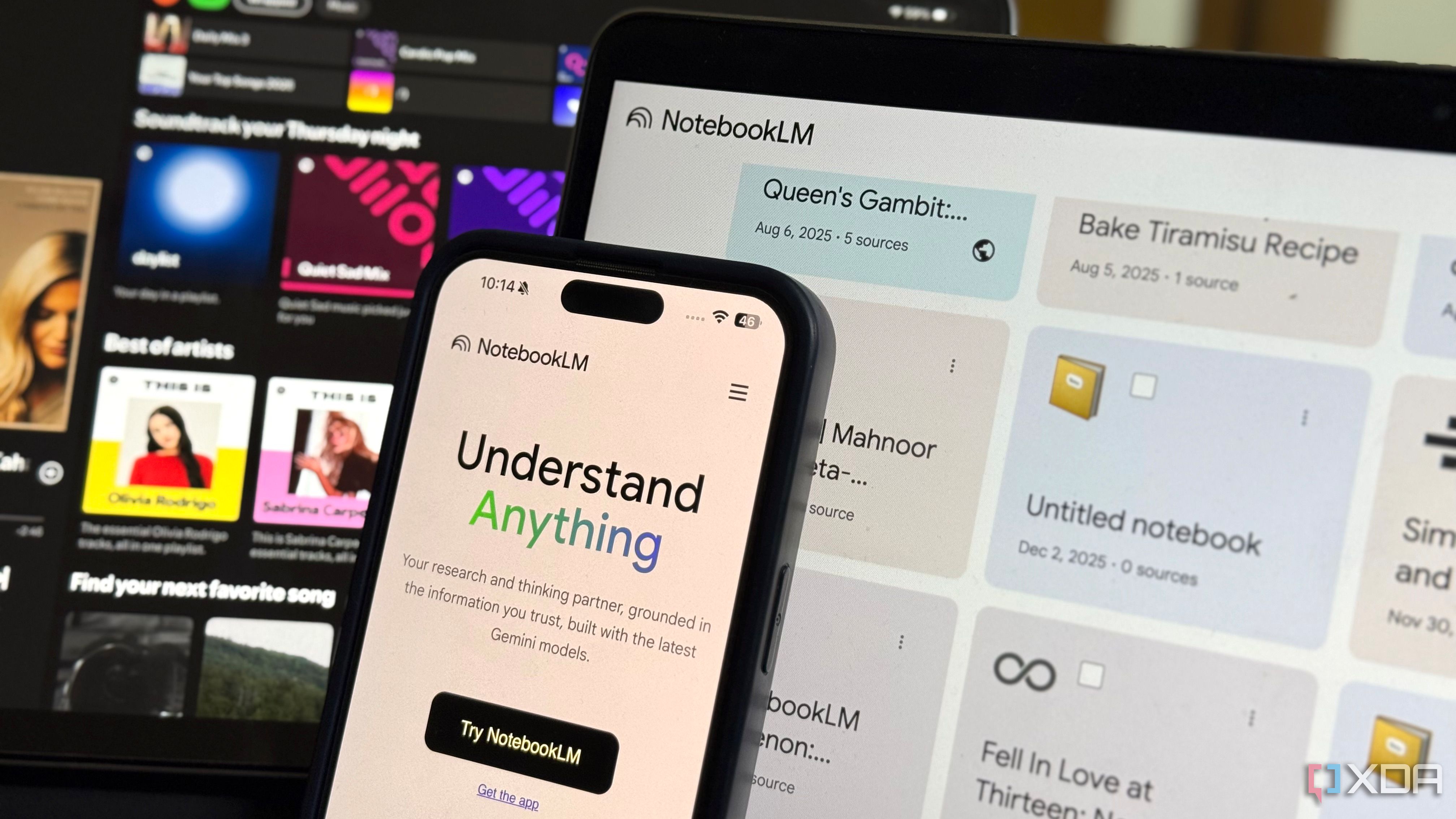
What’s Happening A significant chorus of voices within the productivity and knowledge management communities is highlighting a critical limitation with Google’s AI-powered NotebookLM. Despite its innovative features for synthesizing research and generating insights from source materials, users are increasingly vocal about its struggle to integrate seamlessly with their broader digital toolkit. This isn’t merely a minor quibble; for many dedicated users, strong integration stands as their absolute top priority for the platform’s future development. The sentiment was powerfully captured by one user who emphatically stated, ‘If I had three wishes, one would be better NotebookLM integrations. ’ This underscores a widespread desire for the tool to move beyond its current isolated operational model and become a more connected part of their daily workflow. ## Why This Matters For a platform like NotebookLM, designed to be a ‘personal AI assistant’ for complex knowledge work, operating in isolation is a fundamental impedance to its full potential. When users can’t easily export their summarized findings to their preferred writing applications like Google Docs or Scrivener, import diverse data from cloud storage services like Drive or Dropbox, or sync their meticulously organized notes with project management tools such as Asana or Trello, the friction becomes palpable. This pervasive lack of interoperability forces a reliance on tedious and inefficient manual workarounds. Users are often left to copy-paste crucial insights, or export to generic file formats that frequently strip away valuable context, formatting, and the interactive elements NotebookLM offers. Such fragmented processes negate the very efficiency gains that AI tools promise, turning what should be a streamlined, intelligent workflow into a fragmented, time-consuming chore that ultimately frustrates users. The real impact of these pervasive integration challenges manifests in several critical areas for power users and casual researchers alike:
- Fragmented Workflows: Research conducted and synthesized within NotebookLM often remains siloed, demanding cumbersome manual transfers to external applications like Notion, Obsidian, Evernote, or even simple text editors for further development and sharing.
- Reduced Data Utility: Valuable insights, AI-generated summaries, and organized source material become harder to use across a comprehensive personal knowledge management system or within collaborative project environments, diminishing their overall impact.
- Limited Adoption & Retention: Prospective power users, who typically rely heavily on an interconnected ecosystem of tools for their work, may find NotebookLM’s standalone nature a significant deal-breaker. This could hinder its widespread adoption and prevent it from becoming a truly sticky, indispensable tool.
- Increased Cognitive Load: Users are forced to constantly think about how to move information between applications rather than focusing solely on the content itself. This adds unnecessary mental overhead, detracting from the core task of creative thinking, analysis, and productive output.
- Competitive Disadvantage: In a rapidly evolving AI landscape where many tools prioritize open APIs and extensive integrations, NotebookLM’s insular approach could put it at a disadvantage against competitors that seamlessly fit into diverse user workflows. ## The Bottom Line The message from NotebookLM’s most engaged and enthusiastic users is unequivocally clear: strong, native integrations are no longer a luxury, but an absolute necessity for its continued evolution and success. By actively addressing this core demand, Google could significantly unlock NotebookLM’s true potential, transforming it from a powerful standalone research tool into an indispensable, central hub within a user’s broader digital workflow. Will Google recognize the urgency of this widespread feedback and build the essential bridges necessary for NotebookLM to connect more deeply with the diverse array of tools users already love and rely on daily?
Daily briefing
Get the next useful briefing
If this story was worth your time, the next one should be too. Get the daily briefing in one clean email.
Reader reaction