💰 business
US's Venezuela Play: Oil, Power, & South America
The US is eyeing military options in oil-rich Venezuela, while influencing elections across South America. It's all about natural resources.
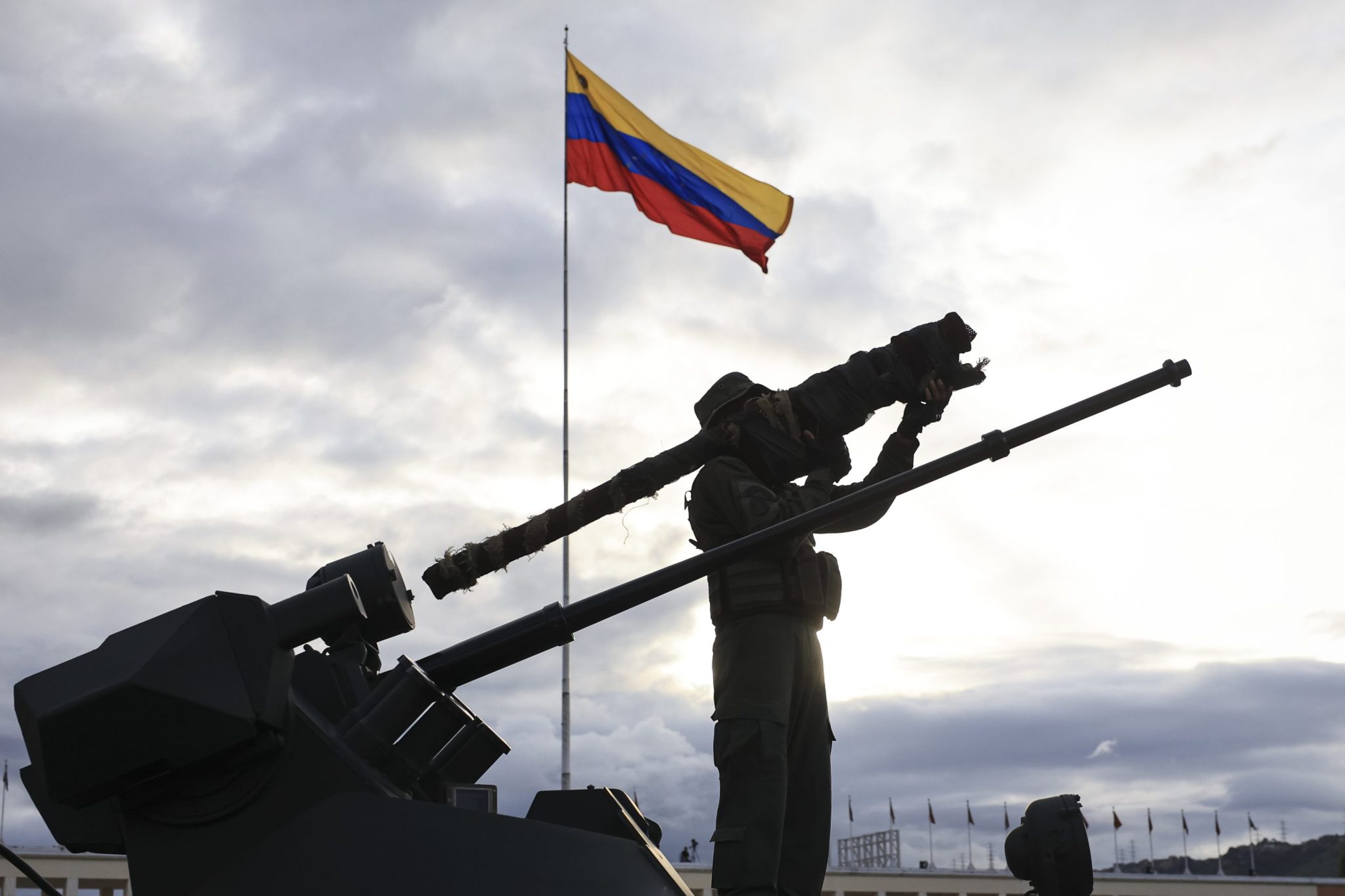
What’s Happening The Trump administration’s actions in Venezuela paint a clear picture of a strategy driven by two primary objectives: securing access to oil and engineering regime change. Despite official statements often focusing on democracy or human rights, the underlying motivation appears to be resource control. Reports from various sources indicate that the U.S. is actively weighing its military options concerning oil-rich Venezuela. This consideration marks a significant escalation from diplomatic pressures, signaling a readiness for more direct intervention. This assertive approach isn’t limited to Caracas. Washington is also reportedly influencing elections in other South American nations that possess significant petroleum reserves. The aim is to ensure favorable political outcomes for U.S. interests. The broader strategy seems to be an increasing attempt to control natural resources across the entire Americas. This includes not just oil, but potentially other critical minerals and strategic assets vital for global markets and U. S. industrial needs. This pattern suggests a return to a more interventionist foreign policy in Latin America. It moves away from multilateral engagement towards a more unilateral, resource-driven agenda, echoing past U.S. involvements in the region. The White House’s rhetoric might frame these actions as necessary for regional stability or combating authoritarianism. However, critics argue that the consistent focus on resource-rich nations reveals a different, more pragmatic agenda at play. ## Why This Matters This aggressive U.S. posture carries profound implications for the stability and sovereignty of nations throughout South America. Introducing military options into the Venezuelan crisis could easily ignite a broader regional conflict, with devastating humanitarian consequences. Such interventions also fundamentally undermine the democratic processes and national self-determination of sovereign states. When external powers influence elections, it erodes public trust and delegitimizes elected governments, fostering long-term instability. The explicit pursuit of controlling natural resources, especially through coercive means, risks alienating key allies and fueling anti-American sentiment across the globe. It can brand the U.S. as an imperialistic power, complicating future diplomatic efforts. This strategy could also trigger a dangerous arms race or increased militarization within the region. Nations may feel compelled to bolster their defenses against potential external interference, diverting crucial resources from social and economic development. Furthermore, focusing solely on resource acquisition can overshadow critical global challenges like climate change, poverty, and public health crises. It prioritizes short-term economic gains over long-term sustainable development for the Americas. - Escalation of military conflict and widespread humanitarian suffering in Venezuela.
- Significant erosion of democratic institutions and national sovereignty in affected South American nations.
- Increased geopolitical tensions, fostering anti-American sentiment and diplomatic isolation for the U. S.
- A dangerous precedent for future international relations, emphasizing resource control over diplomacy.
- Diversion of national resources from social programs to military buildup across the continent. ## The Bottom Line The emerging pattern from the Trump administration’s actions in South America, particularly its stance on Venezuela, points to a clear, resource-centric foreign policy. It prioritizes the control of vital natural resources, especially oil, often through assertive political maneuvering and the consideration of military force. This approach raises critical questions about regional autonomy, international law, and the true cost of such strategic pursuits. Is the pursuit of economic dominance via resource control worth the potential unraveling of democratic norms and regional peace in the Americas?
Daily briefing
Get the next useful briefing
If this story was worth your time, the next one should be too. Get the daily briefing in one clean email.
Reader reaction